
Bangladesh stands on the frontlines of the global climate crisis. Its low-lying deltaic geography, dense population of around 177 million people, and over-dependence on climate-sensitive livelihoods have made the country one of the world’s most visible examples of climate-induced displacement. Each year floods, cyclones, river erosion, salinity intrusion, and heat stress uproot hundreds of thousands of people. These extreme weather events – exacerbated by climate change and inadequate social policies and programs designed to promote resilience – force locals to leave their homes, land, and livelihoods behind. Climate displacement across Bangladesh, and throughout the world, is layered with complexities and hardships; it is a complex, uneven process that reshapes lives differently depending on where people go, who they are, and what resources they can access.
Climate displacement in Bangladesh is overwhelmingly internal. Most people do not cross international borders; instead, they move from rural areas to other rural regions or, more commonly, toward the cities. Southern coastal districts such as Satkhira, Khulna, Bhola, Barguna, and Patuakhali experience repeated cyclones and salinity intrusion that render farming and fishing increasingly unviable. In the north, riverbank erosion along the Jamuna and Teesta rivers wipes out entire villages with little warning. In flood-prone haor regions of Sylhet, prolonged inundation disrupts agriculture and food security year after year. The International Organization for Migration’s first nationwide estimate found that nearly 5 million people are currently internally displaced due to disasters across Bangladesh.
For many affected families, migration is not a choice, but a survival strategy. Some move temporarily during disaster seasons, while others relocate permanently after losing land or homes. Major cities like Dhaka, Khulna, Chattogram, and Gazipur have become primary destinations. However, arrival in cities rarely brings stability. Instead, displaced populations often end up in informal settlements and urban slums, where overcrowding, poor sanitation, insecure housing, and limited access to services define daily life.
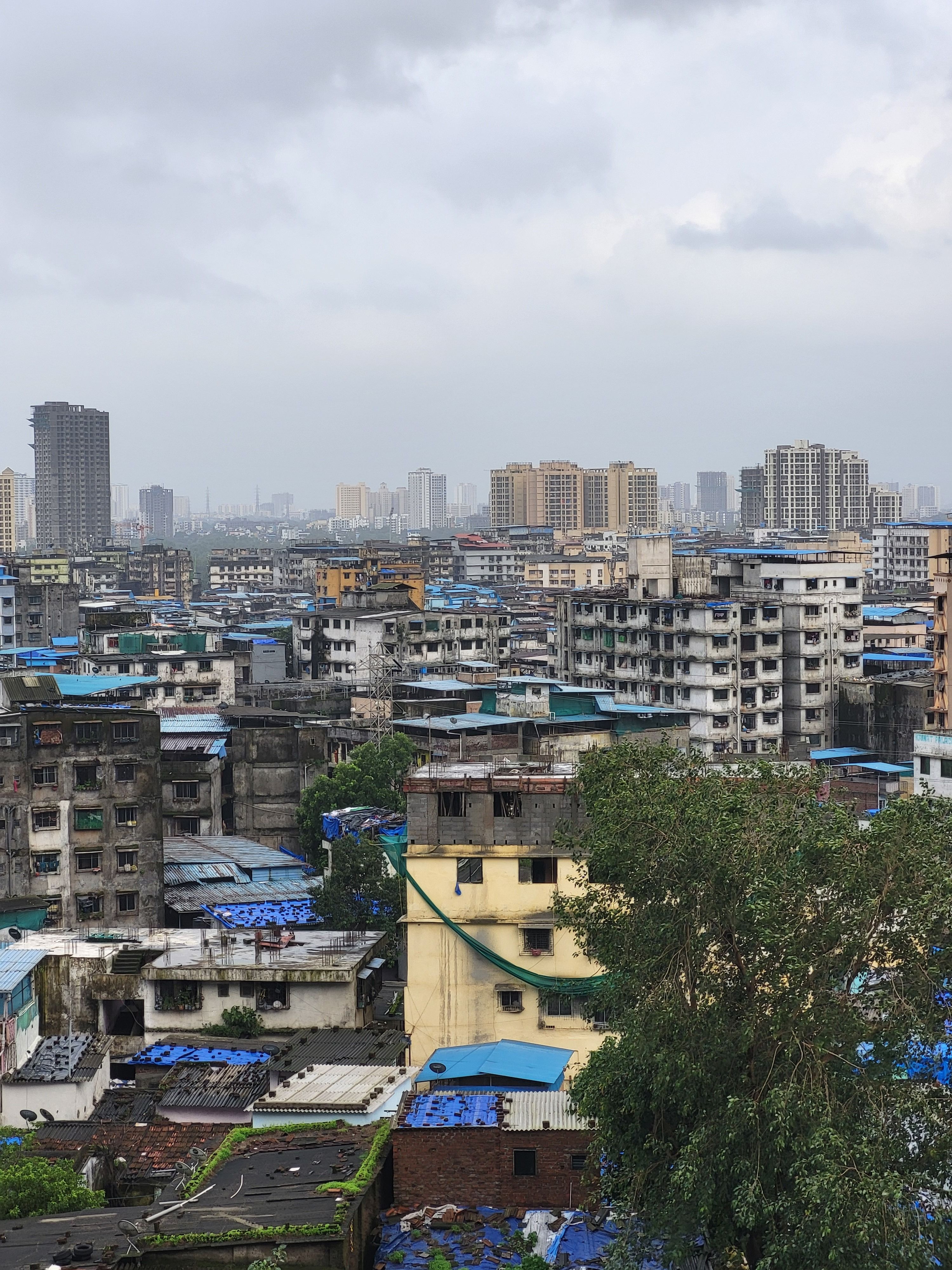
Urban slums are paradoxically portrayed as places of opportunity, but for climate migrants they often represent a shift from environmental vulnerability to social and economic vulnerability. Most displaced people find work in informal sectors such as construction, rickshaw pulling, domestic work, or garment factories, including the fast fashion industry. These jobs are unstable, low-paying, and exist in physically demanding and dangerous conditions that are especially harsh in a changing climate.
Health risks increase significantly after migration. Slum areas are often located in flood-prone zones or near polluted water bodies, exposing residents to waterborne diseases, respiratory illnesses, and heat stress. Children face disrupted education due to frequent relocation, lack of documentation, or the need to contribute to household income. Women and girls experience heightened risks of gender-based violence, early marriage, and exploitation, particularly when living in overcrowded and insecure environments.
Not all climate displacement leads to cities. Some families attempt rural-to-rural migration, moving to nearby districts where land may still be cultivable. However, this option is becoming increasingly limited as rural areas themselves experience heightened vulnerability to climate hardships, which exacerbates difficult living conditions of the local populations. As climate impacts spread across the country, there are fewer and fewer safe destinations.
Many rural migrants who arrive in cities end up spending their entire lives as part of the urban poor. These rural transplants often lack urban skills, social connections, and legal recognition, making it harder to access healthcare, education, and social protection programs. Over time, many become trapped in a cycle of poverty that is difficult to escape, and worse, they continue to face the same environmental hardships that initially ushered them away from their homes.

While international narratives often frame climate migration as a cross-border threat, evidence from Bangladesh suggests otherwise. The vast majority of climate-displaced people remain within national borders. Regional migration to neighboring countries occurs, but it is driven more by economic factors than direct climate shocks. Strict border controls, high migration costs, and legal barriers make international movement inaccessible for most climate-affected populations.
This pattern reflects a broader South Asian trend. Across the region, climate migrants are far more likely to be displaced internally than internationally. Understanding this reality is crucial for shaping effective policy responses where climate displacement is primarily a domestic governance challenge, not a border security issue.
Globally, climate-induced displacement is accelerating. According to international estimates, tens of millions of people are displaced each year due to weather-related disasters. South Asia accounts for a significant share of this total, with Bangladesh consistently ranking among the most affected countries. According to a World Bank report, climate change will likely displace 13.3 million Bangladeshis by 2050 due to sea level rise and river erosion. What makes Bangladesh’s situation particularly critical is the interaction between climate hazards and existing vulnerabilities: poverty, gender inequality, rapid urbanization, and limited social protection. Climate change does not create vulnerability in isolation; rather, it magnifies and deepens inequalities that already exist.
Bangladesh has been internationally recognized for several successful policy interventions. The Cyclone Preparedness Programme (CPP), established in 1972, has dramatically reduced cyclone mortality through early warning systems and a network of over 76,000 trained volunteers. The construction of thousands of multi-purpose cyclone shelters along the coast has saved tens of thousands of lives during major cyclones such as Sidr (2007) and Aila (2009). The country’s Comprehensive Disaster Management Programme has also been cited as a global model for integrating disaster risk reduction into national development planning.
At the local level, community-based adaptation programs in coastal districts have supported mangrove restoration, saline-resistant crop development, and floating garden techniques – approaches that have helped some communities maintain livelihoods despite worsening conditions. The government’s Mujib Climate Prosperity Plan, launched in 2021, outlines ambitious goals for renewable energy, climate-resilient infrastructure, and ecosystem restoration through 2041.
However, several policies have fallen short. Urban resettlement schemes have repeatedly failed to provide adequate housing and services to displaced communities, often leaving people more vulnerable than before. Embankment and flood control infrastructure, while protective in the short term, has in some cases disrupted natural sedimentation processes and increased long-term erosion risk. Relocation programs for char dwellers – communities living on shifting river islands – have struggled with sustainability, as inadequate land tenure security often forces families to return to flood-prone areas. These lessons underline the need for policies that are not only technically sound but also attentive to the social and legal dimensions of displacement.
Addressing climate-induced displacement in Bangladesh requires more than emergency response. It demands long-term planning that recognizes displacement as a development and justice issue. Key priorities include: strengthening climate-resilient livelihoods in rural areas to reduce forced migration; improving living conditions, healthcare, and education access in urban informal settlements; integrating displaced populations into urban planning rather than treating them as temporary residents; ensuring gender-sensitive policies that protect women and children from heightened risks; and expanding social protection systems to include climate-displaced communities.
Most importantly, the voices of displaced people themselves must be central to policy design. Their experiences offer critical insight into what resilience truly looks like on the ground and the extent and particularities of their actual needs.
Climate-induced displacement in Bangladesh is not a future threat; instead it is a present reality. As environmental pressures intensify, the question is no longer whether people will move, but how safely and with how much dignity they can do so. By recognizing displacement as a crisis of vulnerability shaped by social, economic, and political forces, Bangladesh and the global community can begin to move toward solutions that prioritize human security and climate justice.
____
Syeda Shimila Nahin is a second-year Disaster Management and Vulnerability Studies student at the University of Dhaka, Bangladesh, with a focus on climate justice and displacement.
The opinions and experiences presented in guest articles are those of the author, and do not necessarily reflect the views of the Center.


