
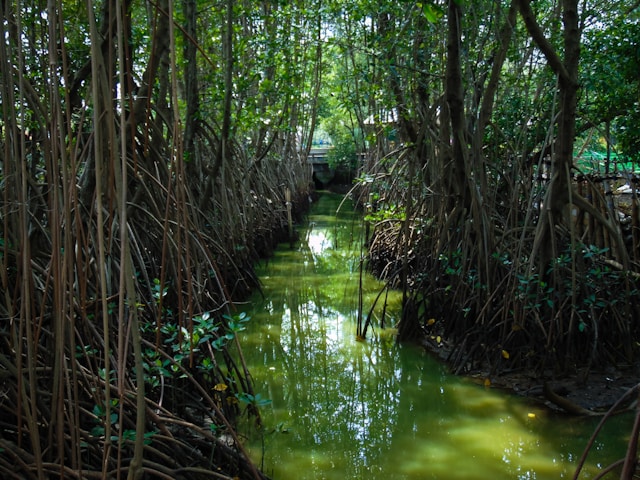
Nature-based solutions (NBS) to climate change are having their moment. Prized for their low-cost implementation yet high-efficacy, they are the standard for a resilience solution that is affordable, effective, and community enhancing.

Interviewing doctors from Health for XR, a collective of UK-based medical professionals dedicated to leading direct action protests against climate change, brings to light the deep intersection of health care and climate activism.
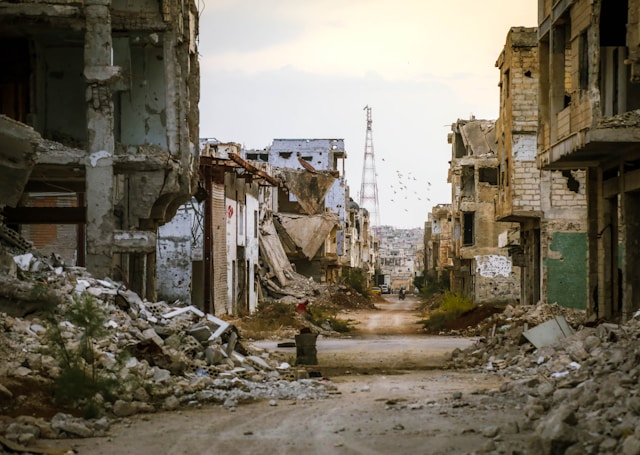
Global climate frameworks still fail to hold a major polluting sector accountable: the global military industrial complex, which, it turns out, is the world’s fourth-largest polluter. There are three necessary shifts to actualize a world that holds militaries accountable and prioritizes communities impacted by conflicts that destroy and contaminate essential natural resources.

Indigenous practices of climate adaptation must be centered when deliberating how to best equip communities around the world to cope with the brunt of climate change.
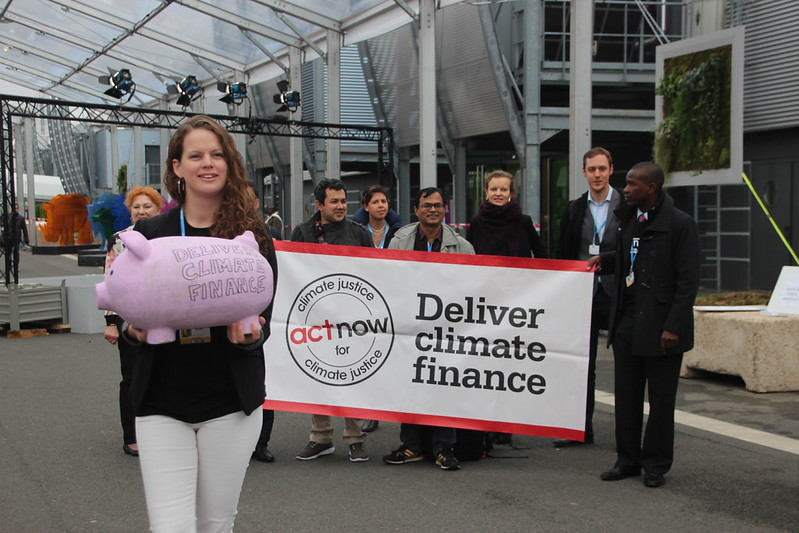
The international community's pledge to provide financial assistance to vulnerable nations impacted by climate disasters – such as Pakistan – cannot consist of indebting them with debilitating loans.
.jpg)
Plastic pollution is one of the most widespread and difficult forms of pollution that humanity faces. Among the most used materials globally, plastics are also responsible for contaminating our soil, water, and food - threatening the health of all life on earth. Author Christian Mutiga Kibaara explains that as plastic consumption grows, so must the duty of producers to internalize their impact through Extended Producer Responsibility.
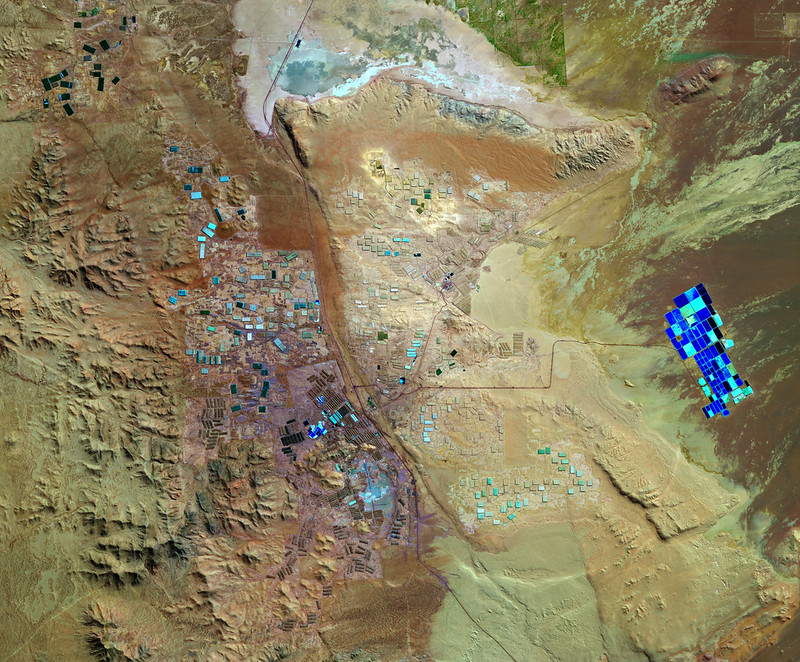
While the global growth of renewable energy and technology can epitomize the hope for a more sustainable and just future, there is a tension between this growth and its impacts on environmental and public health. South America perfectly encapsulates this rift, as the continent is home to a significant share of the world's critical minerals necessary for the 21st century's renewable technologies.
Saas, or Software as a Service, although perhaps outwardly appearing as a green industry, relies on energy-hungry data centers and fuels e-waste production. Evolving at a rapid rate, especially with the introduction of artificial intelligence (AI), Saas companies are becoming primary 21st Century contributors to greenhouse gas emissions and global climate change. Equipped as they are with plentiful financial and political power, SaaS companies can and must take ownership of their climate impacts.

We need a climate and environmental justice movement that is imaginative, intersectional, international, intergenerational, and..... filled with vibrant illustration! Introducing four exceptional movement designers for hire.

Beyond the use of fossil fuels for heating and transportation, it is critical we examine the other global industries powered by fossil fuels. We must especially consider how toxic chemicals and climate change are interconnected. One way to achieve this is by examining our critical industrial sectors — specifically, petrochemicals and cement — that are at the forefront of toxics production in both the United States and other nations. Alongside iron/steel and aluminum, petrochemicals and cement form the top four “hard-to-abate” industrial sectors that present a set of special challenges in the pursuit of decarbonization.

As the climate crisis around the world escalate, the insurance industry finds itself in its own growing crisis. Originally created as a safety net for communities post disaster, insurers are now struggling with skyrocketing claims, costly premiums, and their own fossil fuels investments. The contradictions of the industry profiting from climate risk and its causes, reveal the human costs of insurance inequities.

Just Wanted an Extra-Hot coffee’: What ex-TC Alfred Taught me About Home Resilience and Vulnerable Households. Initially, caffeine withdrawal felt like the gravest injustice. However, the next four days revealed a deeper truth – disasters instantly strip away comfort, exposing how unprepared we truly are when essentials vanish.


